Email Us
News

How Does Ceramide NP Support Skin Barrier Care in Modern Cosmetics?

2026-10-21 0 Leave me a message

As cosmetic science continues to focus on skin barrier function, moisture retention, and formulation compatibility, ingredient selection has become an important part of product development. Ceramide-based ingredients are widely studied for their role in supporting the skin's natural lipid barrier and maintaining a balanced skin surface. For cosmetic formulators, understanding ingredient characteristics, formulation requirements, and application scenarios helps guide the development of skincare products for different skin needs.

Ceramide NP is one of the ceramide ingredients used in modern skincare formulations. Its relevance comes from its relationship with the lipids naturally present in the stratum corneum, the outermost layer of the skin. By considering its structure and formulation behavior, cosmetic developers can evaluate how this ingredient may contribute to moisturizers, barrier-support creams, lotions, and other leave-on products.

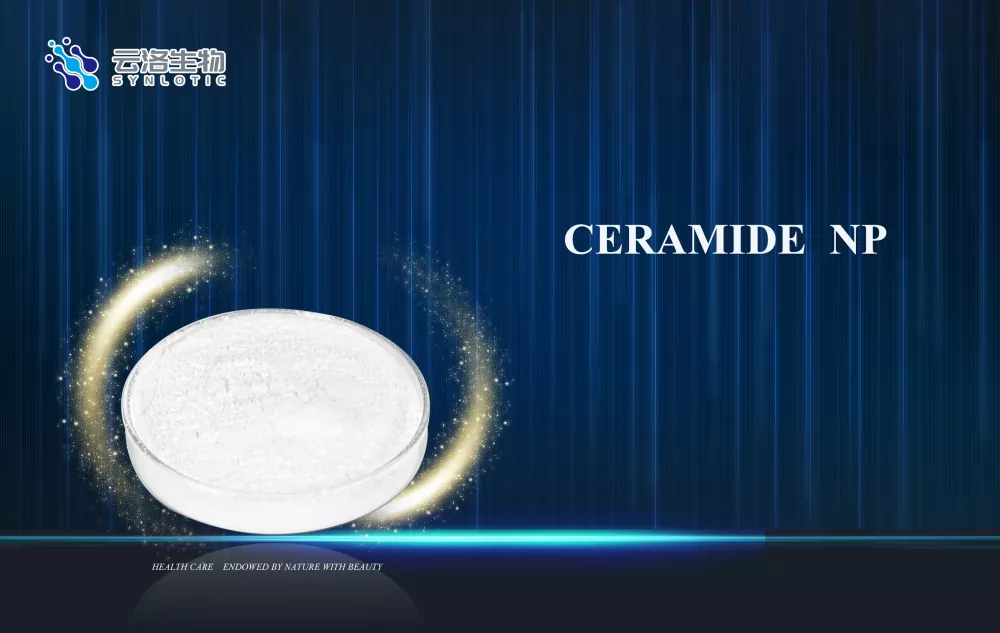
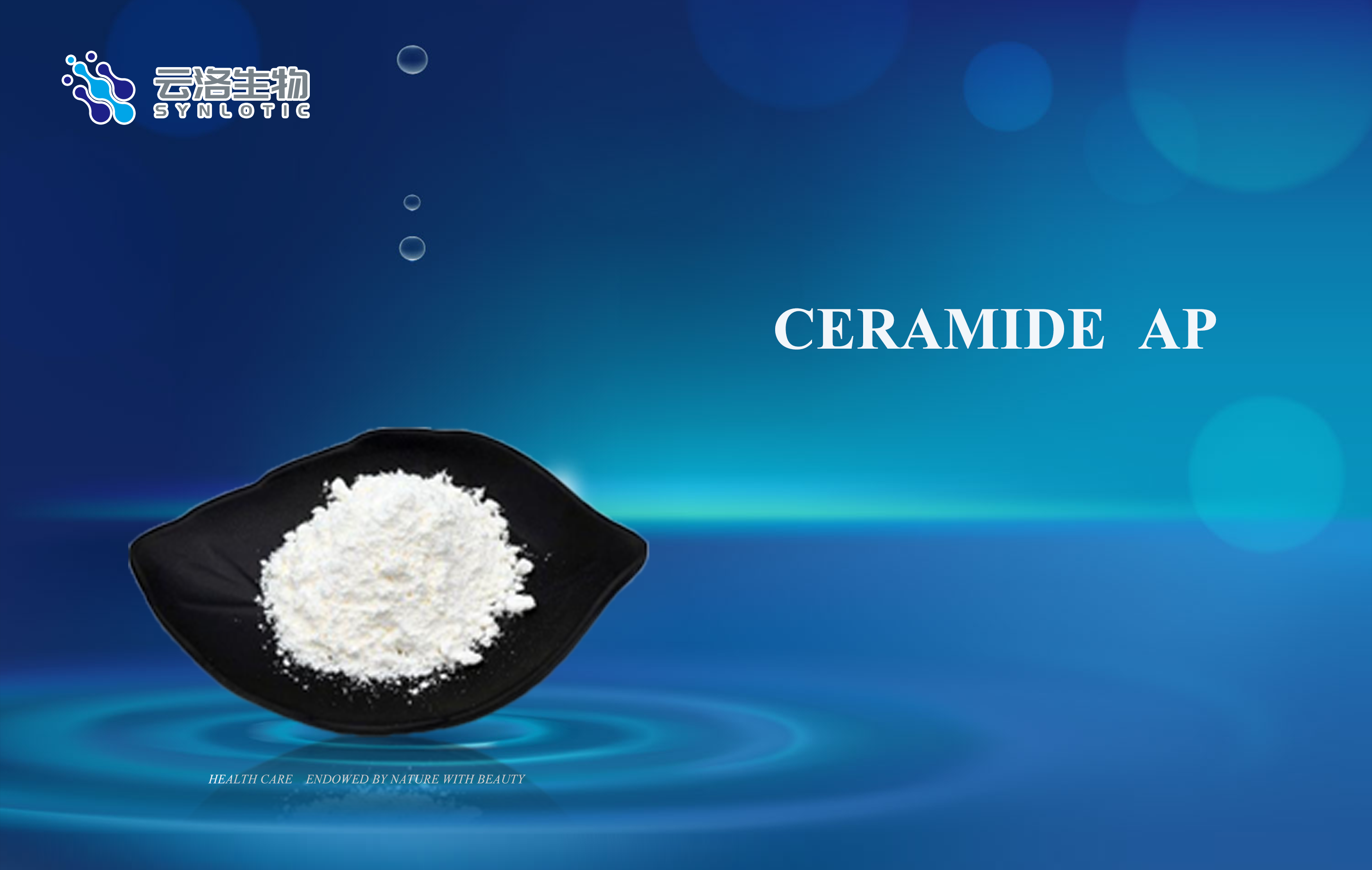
Ceramide NP

Understanding the Role of Ceramides in Skin Barrier Care

The skin barrier serves as a protective interface between the body and the external environment. Its outer layer contains corneocytes surrounded by an organized lipid matrix. Ceramides, cholesterol, and free fatty acids are important components of this structure, contributing to the arrangement of intercellular lipids.

When the barrier is functioning properly, it helps regulate water loss and supports the skin's ability to withstand everyday environmental exposure. Skincare formulations that complement the skin's natural lipid composition can therefore play a useful role in maintaining hydration and improving the feel of dry or rough skin.

The Relationship Between Lipids and Moisture Retention

Moisture retention depends on several interacting factors, including the condition of the stratum corneum, the availability of water-binding substances, and the integrity of intercellular lipids. A formulation that addresses only one of these factors may not provide the same overall experience as a product designed around complementary moisturizing mechanisms.

  • Intercellular lipid organization: Ceramides contribute to the lipid structures between skin cells, helping maintain the physical organization of the outer barrier.
  • Water-loss management: A well-maintained barrier helps limit excessive transepidermal water loss under suitable physiological conditions.
  • Surface comfort: Moisturizing formulations can help reduce the dry, tight feeling associated with insufficient hydration.
  • Barrier maintenance: Appropriate skincare routines can support the condition of the skin surface when environmental exposure or cleansing contributes to dryness.

These functions are interconnected. The effectiveness of a finished cosmetic product depends on its overall formulation, the condition of the skin, the application method, and the compatibility of its ingredients. The contribution of an individual lipid ingredient should therefore be assessed within the complete formulation rather than considered in isolation.

Why Different Ceramide Types Matter

Ceramides are not a single uniform substance. They comprise a family of lipid molecules with different structural characteristics. Their molecular composition influences how they interact with other lipids, how they behave during formulation, and how they may contribute to the physical properties of a cosmetic preparation.

For ingredient evaluation, identifying the specific ceramide type is important. Formulators should review the ingredient's chemical identity, purity, physical properties, and compatibility with the intended product system. This helps avoid treating different ceramide ingredients as interchangeable when their technical characteristics may differ.

The distinction is particularly relevant when developing products intended for dry skin, sensitive-feeling skin, or routines focused on barrier maintenance. A clear understanding of the selected ingredient allows the formulation team to establish appropriate development objectives and testing methods.

What Makes This Ingredient Relevant to Cosmetic Formulation?

The value of a cosmetic ingredient depends on more than its intended function. Its molecular characteristics, dispersibility, stability, and interaction with the surrounding formulation all influence whether it can be incorporated into a practical product. These factors are particularly important for lipid-based ingredients, which may require careful handling to achieve a consistent finished preparation.

Structural Characteristics and Formulation Behavior

Ceramide NP belongs to the ceramide family and is associated with the lipid composition of the outer skin barrier. Its structure is relevant to the way it interacts with other lipid components in a formulation. However, its practical behavior depends on the ingredient grade, the delivery system, and the processing conditions used during manufacturing.

Unlike highly water-soluble ingredients, ceramide materials may present dispersion and incorporation challenges in conventional aqueous systems. Formulation developers therefore need to consider the relationship between the ingredient and the complete emulsion or delivery system.

  • Ingredient identity: Confirm the specified ceramide type and the relevant analytical identification criteria.
  • Physical form: Review the supplied form, appearance, and handling requirements before selecting a manufacturing process.
  • Dispersion strategy: Determine whether the ingredient requires a suitable oil phase, emulsification approach, carrier, or specialized delivery system.
  • Compatibility: Evaluate interactions with emulsifiers, oils, fatty alcohols, preservatives, and other active ingredients.
  • Finished-product performance: Assess uniformity, stability, sensory characteristics, and relevant barrier-support claims in the final formulation.

These considerations help translate the theoretical benefits of a lipid ingredient into a workable cosmetic formulation. They also provide a structured basis for troubleshooting issues that may arise during laboratory development or scale-up.

Distinguishing Ingredient Function From Product Claims

Ingredient selection should be guided by the intended cosmetic function and supported by suitable technical evidence. A recognized role in skin lipid organization does not automatically establish the performance of every formulation containing the ingredient.

For example, a moisturizer containing ceramides may be designed to improve hydration and support the skin barrier. The actual performance depends on the concentration, ingredient quality, formulation architecture, application frequency, and testing conditions. Claims should reflect the evidence available for the finished product rather than relying solely on general information about ceramides.

This distinction supports responsible product development. It also helps manufacturers communicate the intended function of an ingredient accurately across technical documents, product descriptions, and cosmetic marketing materials.

Applications Across Modern Skincare Categories

Barrier-focused skincare includes a broad range of product formats. These formulations may differ in texture, lipid content, application area, and target skin condition. Selecting an appropriate ingredient system requires an understanding of both the desired cosmetic experience and the technical requirements of the product.

Facial Moisturizers and Barrier Creams

Facial moisturizers are commonly developed to maintain skin hydration and improve softness. Barrier creams may place greater emphasis on supporting the outer skin layer and reducing the discomfort associated with dryness. Ceramide-containing systems can be considered when the formulation objective includes lipid replenishment alongside conventional moisturizing functions.

Product texture is an important consideration in this category. Lightweight creams may need to balance spreadability with a comfortable finish, while richer preparations may contain a more substantial lipid phase. The selected emulsifier system, emollients, humectants, and lipid ingredients should work together to create a stable and acceptable product.

Developers should evaluate the finished formulation for appearance, consistency, absorption characteristics, and skin feel. Where barrier-related benefits are part of the product positioning, suitable instrumental or clinical testing may be required to substantiate the intended claims.

Body Lotions for Dry Skin

Body lotions often need to spread easily across larger skin areas without leaving an excessively heavy residue. Formulators may combine humectants, emollients, occlusive materials, and selected barrier-supporting lipids to address different aspects of skin dryness.

The balance between hydration and sensory performance can influence how consistently a product is used. A formulation that provides an appropriate level of moisturization while remaining easy to distribute may be suitable for regular skincare routines.

When incorporating ceramide ingredients into body lotions, developers should evaluate dispersion, emulsion stability, and compatibility with the full ingredient system. The selected processing method should also support reproducibility during manufacturing.

Products for Sensitive-Feeling Skin

Products intended for sensitive-feeling skin generally require careful ingredient selection and a well-controlled formulation strategy. Mild cleansing systems, suitable emollients, and barrier-supporting ingredients may be considered according to the product's intended purpose.

Ingredient suitability should not be confused with a guarantee of universal tolerance. Individual responses vary, and the complete formula determines much of the finished product's tolerability. Fragrance, preservatives, surfactants, and other components may influence the overall experience.

Manufacturers should therefore evaluate the finished preparation using appropriate safety assessments and tolerance testing. Any statements about sensitive skin should be based on evidence relevant to the actual product rather than assumptions about a single ingredient.

Specialized and Premium Skincare Formulations

Premium skincare development frequently focuses on formulation quality, texture, ingredient compatibility, and a clear explanation of the product's intended benefits. Barrier-oriented products may combine ceramides with other skin-conditioning ingredients to create a more comprehensive moisturizing system.

In these formulations, the challenge is to achieve a balanced composition without compromising stability or sensory quality. The inclusion of multiple active ingredients can increase the need for compatibility screening, especially when the ingredients differ in polarity, solubility, or preferred processing conditions.

Technical documentation and reproducible testing help development teams determine whether the ingredient system meets the product's specifications. These practices are useful for both established skincare lines and new product concepts.

Formulation Factors That Influence Product Quality

Successful formulation requires attention to the relationship between ingredient characteristics and manufacturing conditions. Lipid-based materials can behave differently depending on the surrounding oil phase, emulsifier selection, thermal history, and cooling process. These variables should be assessed during development rather than addressed only after production problems occur.

Solubility, Dispersion, and Delivery Systems

Solubility and dispersion are important technical considerations when incorporating ceramide materials. A material that does not dissolve readily in water may require incorporation into an appropriate lipid phase or a suitable delivery system. The correct approach depends on the ingredient specification and the design of the finished product.

Possible development strategies include:

  • Oil-phase incorporation: Evaluate whether the selected ingredient can be incorporated into a compatible oil phase under suitable processing conditions.
  • Emulsion-based systems: Consider how emulsifiers and co-emulsifiers support uniform distribution within the finished preparation.
  • Pre-dispersed materials: Where available, assess whether a validated dispersion or carrier system meets the product requirements.
  • Specialized delivery approaches: Evaluate encapsulation or other delivery technologies when they offer a relevant technical advantage.

These approaches are not universally interchangeable. A suitable method should be selected through laboratory trials, supported by ingredient documentation and confirmed through finished-product testing.

Temperature and Processing Conditions

Temperature management can influence ingredient incorporation, emulsion formation, and the final structure of a cosmetic preparation. Some lipid materials require sufficient processing energy or temperature to achieve uniform distribution, while excessive heat exposure may affect other components in the formula.

For this reason, a formulation should be developed around the processing requirements of all major ingredients rather than a single component. The development team should establish suitable heating, mixing, homogenization, and cooling conditions based on the formulation system.

Important variables include:

  • The temperature range recommended for the ingredient grade.
  • The order in which the oil and aqueous phases are combined.
  • The mixing intensity needed to obtain a uniform emulsion.
  • The cooling profile and its effect on viscosity and texture.
  • The stability of sensitive components throughout the process.

Manufacturing parameters should be documented and reviewed during scale-up. Conditions that work well in a laboratory vessel may not transfer directly to larger production equipment because heat transfer, mixing patterns, and residence times can change.

Compatibility With Other Cosmetic Ingredients

Most skincare products contain a combination of functional ingredients. Humectants help attract and retain water, emollients improve softness, and occlusive materials can reduce moisture loss by forming a protective surface layer. Emulsifiers support the integration of oil and water phases, while preservatives help control microbial growth in susceptible formulations.

When these components are combined with ceramide ingredients, their interactions should be assessed systematically. A change in one part of the formula may affect viscosity, stability, spreading behavior, or the distribution of the lipid phase.

Compatibility testing should consider both the initial product and its behavior over time. Where relevant, developers can examine appearance, odor, pH, viscosity, phase separation, and other indicators specified for the formulation. Testing conditions should reflect the intended packaging, storage, and distribution environment.

Quality Evaluation From Raw Material to Finished Product

Consistent cosmetic performance begins with reliable raw materials and continues through controlled manufacturing. Ingredient specifications help establish a common reference for identity, purity, physical characteristics, and handling. Finished-product specifications then determine whether the complete formulation meets its intended quality requirements.

Raw Material Documentation

Before using a ceramide ingredient, the technical team should review its documentation and confirm that the material is appropriate for the intended application. Documents should be evaluated for relevance, completeness, and consistency with the supplier's stated specification.

Depending on the material and the supplier's quality system, useful documentation may include:

  • A technical data sheet describing the ingredient's identity and key characteristics.
  • A certificate of analysis for the supplied batch.
  • Safety data and appropriate handling guidance.
  • Information on storage conditions, packaging, and shelf life.
  • Available analytical methods and relevant purity criteria.
  • Regulatory or compliance information applicable to the intended market.

The presence of a document does not itself establish compliance with every regulatory requirement. Manufacturers should review the actual information, confirm that it applies to the supplied material, and identify any additional testing or documentation needed for their application.

Finished-Product Stability

Stability evaluation helps determine whether a formulation maintains its specified characteristics under defined storage conditions. For emulsions containing lipid ingredients, the assessment may include changes in appearance, viscosity, odor, texture, and phase behavior.

Accelerated studies can help identify potential formulation weaknesses, but their results should be interpreted alongside other relevant evidence. Where appropriate, real-time studies provide additional information about product behavior during its intended shelf life.

Packaging compatibility also deserves attention. The container, closure, and contact materials may affect product protection, dispensing, and storage performance. A formulation that remains stable in a laboratory vessel may behave differently in its final package.

Performance Testing and Evidence

Performance testing should be aligned with the product's intended cosmetic claims. If the formulation is designed to improve moisturization, suitable hydration measurements may be considered. If the intended positioning concerns barrier function, a relevant assessment of transepidermal water loss or other validated endpoints may be appropriate.

Testing methods should be selected according to the product type, target population, application conditions, and claim being evaluated. Clear protocols and appropriate controls make the resulting evidence easier to interpret.

It is also important to distinguish between ingredient-level research and finished-product results. Findings related to a particular raw material, concentration, or delivery system may not directly predict the performance of another formulation. Claims should reflect the evidence generated for the product being marketed.

Comparison of Common Moisturizing Ingredient Functions

Skincare formulations often combine ingredients with complementary functions. Understanding these differences helps formulators select a balanced system instead of expecting one material to address every aspect of dryness and barrier maintenance.

Ingredient Category Primary Formulation Role Key Development Consideration
Ceramides Support the lipid organization associated with the skin barrier Dispersion, lipid compatibility, and delivery system
Humectants Help attract and retain water within the skin's outer layer Concentration, sensory balance, and compatibility
Emollients Improve skin softness and smoothness Spreadability, residue, and lipid-phase composition
Occlusive Ingredients Help reduce moisture loss from the skin surface Film characteristics, comfort, and product texture
Emulsifiers Support the formation and maintenance of oil-water systems Emulsion stability and compatibility with the ingredient blend

The categories above serve different functions and may overlap in their effects. Their contribution depends on the specific substance and the complete formulation. A well-designed product considers the balance between hydration, lipid organization, surface protection, and sensory acceptance.

Common Formulation Challenges and Practical Responses

During development, formulators may encounter uneven dispersion, changes in viscosity, visible instability, or a finished texture that differs from the intended specification. These issues can arise from ingredient interactions, processing conditions, or limitations in the delivery system.

Uneven Distribution of Lipid Ingredients

Uneven distribution may result from an unsuitable incorporation method, insufficient mixing, or incompatibility with the surrounding formulation. The first step is to confirm the raw material's physical characteristics and review the preparation process.

Development teams can then evaluate the phase in which the ingredient is introduced, the mixing sequence, and the emulsification conditions. Changes should be assessed through controlled trials so that the source of the issue can be identified rather than masked by unrelated adjustments.

Changes in Texture or Viscosity

Viscosity can change when the lipid phase, emulsifier balance, or cooling conditions are modified. The addition of an ingredient may also affect the structure of the emulsion or its interaction with thickening agents.

To investigate these changes, formulators should compare the revised formula with a suitable reference and examine whether the difference arises during processing or storage. Measurements should be conducted under consistent conditions, because temperature and sample preparation can influence viscosity results.

Instability During Storage

Visible separation, sedimentation, changes in appearance, or other deviations may indicate that the formulation requires further optimization. Such observations should be interpreted in the context of the product's physical structure and specified acceptance criteria.

Useful corrective steps may include reviewing the emulsifier system, adjusting the processing method, checking raw material compatibility, and assessing packaging conditions. Any modification should be followed by appropriate stability testing to confirm that the revised formulation performs as intended.

Scale-Up From Laboratory to Production

Moving from laboratory development to commercial manufacturing introduces differences in mixing efficiency, heat transfer, and process control. These differences may affect the incorporation of lipid materials and the consistency of the finished product.

A practical scale-up plan should define critical process parameters, establish suitable in-process checks, and document the results of trial production. Raw material handling, equipment configuration, and batch records should be reviewed to support reproducibility.

Close coordination between formulation, quality, and manufacturing teams can help identify process risks before routine production begins. This approach is especially useful when a formula depends on controlled dispersion or a specific emulsion structure.

Regulatory Awareness and Responsible Ingredient Communication

Cosmetic ingredient requirements differ across markets. Manufacturers should determine which regulations, ingredient inventories, labeling rules, and safety documentation apply to the intended sales regions. A material's use in one market does not automatically establish that the same formulation meets all requirements elsewhere.

Ingredient Identity and Documentation Consistency

Ingredient names and technical descriptions should remain consistent across specifications, formulation records, and product documentation. Clear identification supports communication among raw material suppliers, formulators, quality teams, and regulatory specialists.

Where an ingredient has multiple naming conventions, the documentation should identify the applicable chemical or recognized cosmetic ingredient name and explain any relevant distinctions. This reduces the risk of confusion during technical review and product registration.

Safety Assessment and Product Claims

The safety of a finished cosmetic product depends on its composition, concentration of individual ingredients, exposure conditions, intended use, and other relevant factors. Ingredient selection should therefore form part of a broader safety assessment rather than serve as a substitute for it.

Claims related to hydration, skin comfort, or barrier support should be proportionate to the evidence. Strong medical or therapeutic statements may be subject to different requirements from ordinary cosmetic claims, depending on the market and the wording used.

Responsible communication provides a clear description of what the product is designed to do without suggesting that one ingredient guarantees a particular outcome for every user. This approach supports both technical credibility and more transparent product development.

How to Assess a Ceramide Ingredient for Product Development

Ingredient evaluation is most effective when the technical team begins with the intended formulation and works backward to the required material characteristics. A clear development brief helps identify the appropriate ingredient grade, delivery strategy, documentation, and testing plan.

Define the Intended Product Format

Start by identifying whether the ingredient will be used in a cream, lotion, serum, balm, or another cosmetic preparation. Each format has different requirements for texture, spreadability, phase composition, and stability.

The product's target skin condition and intended use should also be defined. A rich barrier cream may tolerate a different lipid profile from a lightweight facial lotion. These differences influence ingredient selection and the criteria used to assess the finished product.

Review Technical Requirements

After establishing the formulation objective, review the ingredient specification and handling guidance. Confirm the supplied form, identity, relevant purity criteria, storage requirements, and available analytical support.

Where technical information is incomplete, request clarification before moving into formulation trials. This helps reduce uncertainty and provides a clearer basis for comparing materials from different sources.

Establish a Testing Plan

The testing plan should address raw material quality, compatibility, processing behavior, stability, and finished-product performance. The precise scope depends on the complexity of the formulation and the claims being considered.

Testing should be designed to answer specific development questions. For example, a dispersion study may help identify an appropriate incorporation method, while stability testing can assess whether the resulting formulation maintains its specified properties during storage.

Confirm Manufacturing Feasibility

A technically successful laboratory formula must also be suitable for the intended manufacturing process. Review equipment requirements, process controls, raw material handling, and quality checkpoints before finalizing the production method.

Documented manufacturing procedures and consistent testing support repeatability between batches. These practices help ensure that the intended ingredient function is maintained within the finished product's defined quality standards.

Emerging Priorities in Barrier-Focused Cosmetic Development

Cosmetic formulation continues to place emphasis on skin compatibility, effective moisturization, sensory quality, and evidence-based ingredient selection. As formulation technologies develop, manufacturers are also paying attention to how ingredient systems behave together rather than evaluating each material independently.

Formulation Design Based on Complementary Functions

Combining ingredients with complementary functions can help create products that address several aspects of skin conditioning. A formulation may include water-binding substances, emollients, and selected lipids to support hydration and maintain a comfortable skin feel.

The objective is not simply to include more active ingredients. A carefully balanced composition can be more practical than a complex formula whose components introduce unnecessary compatibility or stability challenges. Ingredient selection should be guided by the product brief, supported by evidence, and reviewed through testing.

Greater Attention to Evidence and Reproducibility

Product development increasingly benefits from clearly defined specifications and repeatable evaluation methods. Technical teams need to understand not only whether a formulation performs well under initial conditions, but also whether its quality can be maintained throughout manufacturing and storage.

Reproducible testing provides a basis for comparing development options, investigating deviations, and supporting product claims. It also improves communication between ingredient suppliers and cosmetic manufacturers by connecting technical recommendations with measurable requirements.

Ingredient Traceability and Supply Consistency

Reliable sourcing involves more than obtaining a material with the expected name. Manufacturers should consider batch documentation, specification consistency, storage conditions, and the supplier's ability to communicate relevant technical changes.

Clear traceability helps quality teams investigate deviations and maintain control over incoming materials. It also supports more efficient technical reviews when a formulation moves from development into routine production.

These priorities reinforce the importance of treating raw material selection, formulation engineering, and quality management as connected parts of cosmetic development. A consistent process can help manufacturers create products that meet both technical specifications and intended consumer expectations.

Conclusion: Connecting Ingredient Science With Practical Formulation

Barrier-focused skincare requires a considered balance of ingredient function, formulation compatibility, manufacturing control, and product evaluation. Ceramides have an established place in discussions of skin lipid organization, but their practical contribution depends on the complete formulation and the evidence available for the finished product.

For development teams, the key considerations include ingredient identity, dispersion behavior, compatibility with other components, stability under intended storage conditions, and suitable performance testing. These factors help transform a raw material into a reliable part of a cosmetic formulation while keeping product claims aligned with the available evidence.

As interest in barrier-support skincare continues, Ceramide NP remains a relevant ingredient for formulators evaluating lipid-based approaches to moisturization and skin conditioning. Careful material selection and systematic testing can help establish whether it is suitable for a particular product concept, manufacturing process, and target market.

Synlotic Biotech (Shanghai) Co., Ltd. focuses on synthetic biology technologies, including enzyme gene mining, enzyme-directed transformation, cell factory construction, biological fermentation, and enzyme catalysis. Its work spans high-end cosmetic ingredients, natural flavors, pharmaceutical intermediates, nutraceuticals, food additives, and enzyme preparations. Supported by its research and development center and GMP production facility in Shanghai, the company is dedicated to developing environmentally friendly and sustainable biotechnology solutions. For cosmetic ingredient development, Synlotic Biotech provides an industry-focused resource for exploring ingredient technologies and formulation opportunities with attention to scientific research, material characteristics, and practical application requirements.

Related News
Leave me a message
Mobile
+86 17317217020
Address
No.377 Chengpu Road, Fengxian District, Shanghai, China.
X
We use cookies to offer you a better browsing experience, analyze site traffic and personalize content. By using this site, you agree to our use of cookies. Privacy Policy
RejectAccept