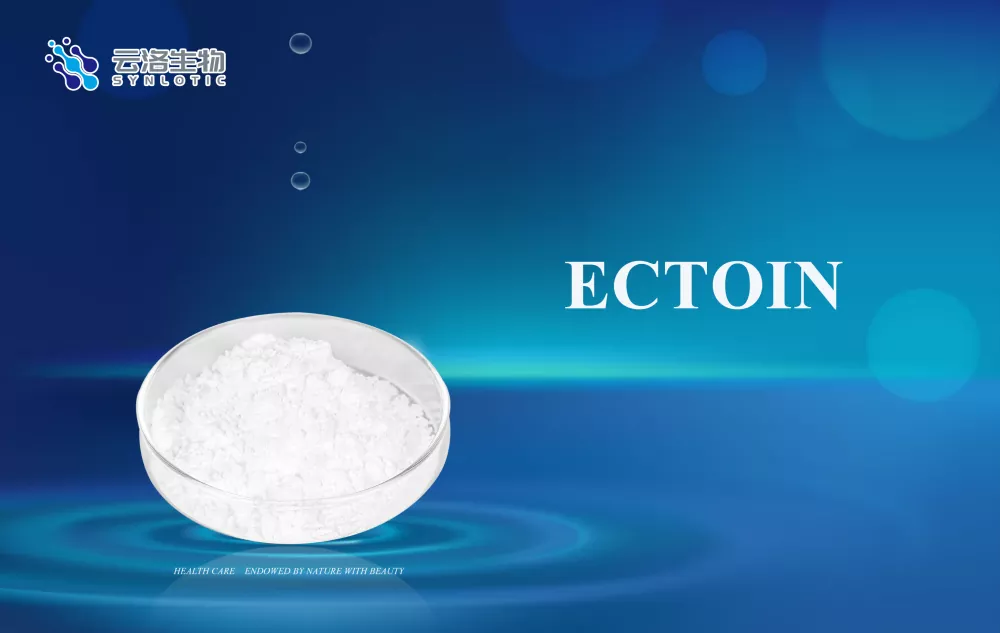
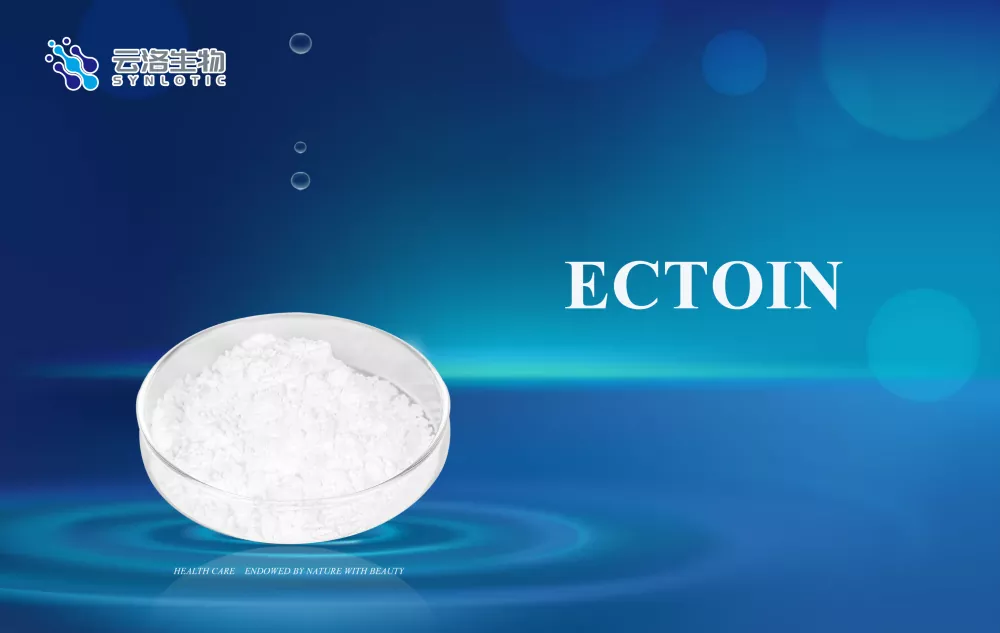
When people think about skincare ingredients, they often think of familiar names such as hyaluronic acid, collagen, or ceramides. However, the world of cosmetic ingredients is constantly evolving, and some innovative ingredients come from surprising sources. Ectoin is one of them.
Originally discovered in microorganisms living in extreme environments, Ectoin is a natural molecule that helps these tiny organisms survive harsh conditions such as intense sunlight, high salt levels, and dehydration.
Today, scientists have studied the unique protective properties of Ectoin and explored its applications in skincare, biotechnology, and personal care products.
What Is Ectoin?
Ectoin is a naturally occurring amino acid derivative known as a compatible solute. It is produced by certain microorganisms that live in extreme environments, including salt lakes, deserts, and other areas with environmental stress.
These microorganisms use Ectoin as a protective substance to maintain cellular stability when facing challenging conditions.
Unlike many traditional cosmetic ingredients that mainly focus on surface effects, Ectoin has attracted attention because of its relationship with natural cellular protection mechanisms.
The Desert Connection: How Was Ectoin Discovered?
The story of Ectoin begins with microorganisms that survive in places where most living organisms cannot easily exist.
Extreme environments often create challenges such as:
High temperatures
Strong sunlight exposure
Low moisture conditions
High salt concentrations
To survive, these microorganisms developed special protection systems. Scientists discovered that Ectoin plays an important role in helping cells maintain balance under these stressful conditions.
This discovery inspired researchers to investigate how the same protective mechanism could be applied in other fields.
How Does Ectoin Work?
The unique feature of Ectoin is its ability to interact with water molecules and create a protective hydration environment around biological structures.
This mechanism is often described as forming an “Ectoin hydration shell”.
In simple terms:
Ectoin attracts and organizes water molecules
Water helps stabilize important biological structures
Cells can better maintain their natural balance under stress
This special property is one reason why Ectoin has become an interesting ingredient in modern skincare research.
Why Is Ectoin Used in Skincare Products?
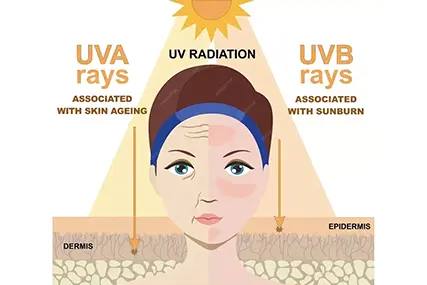
The skin is constantly exposed to external environmental factors, including dry air, pollution, temperature changes, and sunlight.
Modern skincare formulations often focus on maintaining skin comfort and supporting the skin barrier.
Ectoin is commonly explored in skincare products because of properties related to:
Moisture balance
Skin protection
Environmental stress support
Formula compatibility
It is often found in products designed for sensitive skin, moisturizing care, and protective skincare routines.
Ectoin vs Hyaluronic Acid: What Is the Difference?
Feature
Ectoin
Hyaluronic Acid
Origin
Produced by microorganisms
Naturally found in human and animal tissues
Main Category
Amino acid derivative
Polysaccharide
Primary Role
Cell protection and moisture balance
Water retention and hydration
Research Focus
Environmental stress protection
Skin hydration
Common Applications
Skincare, biotechnology, personal care
Skincare, medical and cosmetic fields
Ectoin vs Ceramide: How Are They Different?
Feature
Ectoin
Ceramide
Material Type
Compatible solute
Lipid molecule
Main Function
Helps maintain cellular stability
Supports skin barrier structure
Application Focus
Protection and hydration support
Barrier care and moisture retention
Where Is Ectoin Used Besides Skincare?
Although skincare is one of the most discussed applications, Ectoin has also attracted interest in other industries.
Potential applications include:
Biotechnology research
Medical-related formulations
Personal care products
Specialized protective formulations
Its ability to support biological stability makes it an interesting ingredient for different scientific fields.
Why Is Ectoin Considered a Biotechnology Ingredient?
Unlike many traditional ingredients obtained from plants or minerals, Ectoin is commonly produced through biotechnology processes such as microbial fermentation.
The general production process includes:
Selecting suitable microorganisms
Controlled fermentation
Extraction and purification
Quality testing
Modern biotechnology allows manufacturers to produce Ectoin with consistent quality and purity.
Why Is Ectoin Becoming More Popular?
The growing interest in Ectoin is connected with several trends in the beauty and personal care industry.
Increasing demand for science-based skincare ingredients
Growing interest in gentle skincare solutions
Consumer focus on skin barrier care
Development of biotechnology-based ingredients
As consumers become more knowledgeable about ingredient functions, unique molecules like Ectoin are receiving more attention.
The Future of Ectoin in Personal Care
The development of biotechnology continues to introduce new possibilities for cosmetic ingredients. Ectoin represents an example of how nature-inspired research can influence modern product development.
Future applications may focus on:
Advanced skincare formulations
Combination with other active ingredients
More sustainable production methods
Expanded biotechnology applications
Conclusion
Ectoin is a fascinating ingredient that connects the survival strategies of desert microorganisms with modern biotechnology. From its discovery in extreme environments to its use in skincare research, this small molecule demonstrates how nature can inspire scientific innovation.
While Ectoin may not be as familiar as traditional skincare ingredients, its unique properties and growing applications make it an ingredient worth understanding in the future of personal care and biotechnology.
We use cookies to offer you a better browsing experience, analyze site traffic and personalize content. By using this site, you agree to our use of cookies.Privacy Policy