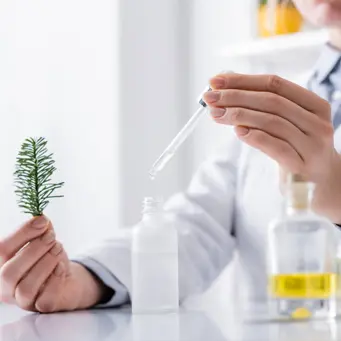
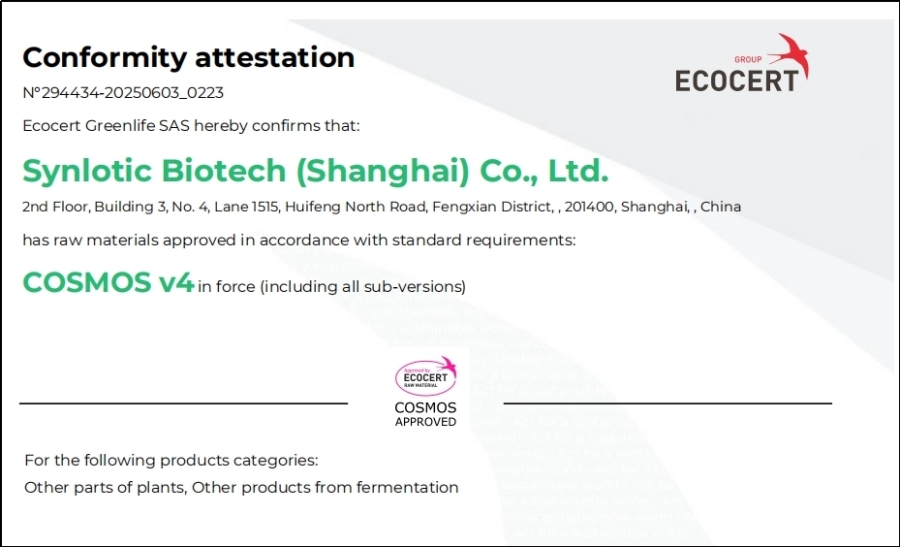
In today's biotechnology industry, Biosynthesis Ingredients are reshaping how we develop pharmaceuticals, cosmetics, nutraceuticals, and even industrial chemicals. Instead of relying solely on petrochemical or traditional extraction methods, biosynthesis allows scientists to engineer microorganisms—such as bacteria, yeast, or algae—to produce high-value compounds in a cleaner, more efficient way. As a result, these ingredients have become a cornerstone of sustainable innovation.
At Synlotic Biotech (Shanghai) Co., Ltd., we specialize in advanced Biosynthesis Ingredients that offer superior purity, traceability, and eco-friendly production processes. Through cutting-edge metabolic engineering and fermentation technology, we deliver solutions that meet global quality standards while minimizing environmental impact.
Biosynthesis Ingredients refer to compounds produced through biological systems using enzymes or microorganisms. Instead of using synthetic chemistry or extracting from plants, biosynthesis allows these ingredients to be generated through controlled fermentation processes.
For example, substances like hyaluronic acid, amino acids, peptides, vitamins, and natural fragrances can be created using microbial biosynthesis. These ingredients maintain high consistency and safety, making them suitable for industries that demand quality and sustainability.
At Synlotic Biotech, we use precision fermentation technology, optimizing strain performance and yield through continuous research and process development. This ensures each biosynthesized compound reaches pharmaceutical-grade quality and purity.
The growing demand for eco-friendly, cruelty-free, and high-performance products drives the shift toward Biosynthesis Ingredients. They offer multiple advantages across different sectors:
Pharmaceuticals: Enable large-scale production of complex molecules with therapeutic value.
Cosmetics: Deliver natural active ingredients without overexploiting plant sources.
Food and Nutrition: Provide safe, consistent vitamins, flavors, and sweeteners.
Industrial Applications: Replace petrochemicals with renewable biological alternatives.
In addition, biosynthesis contributes to global carbon neutrality goals by reducing waste, water usage, and harmful emissions compared to traditional methods.
The following table outlines the core parameters of our biosynthetic products manufactured by Synlotic Biotech (Shanghai) Co., Ltd.:
| Parameter | Description |
|---|---|
| Purity | ≥ 98% (HPLC tested) |
| Production Method | Microbial Fermentation / Enzymatic Biosynthesis |
| Raw Materials | Non-GMO, Plant-Based Carbon Sources |
| pH Stability | 4.0–8.0 |
| Temperature Stability | Up to 80°C |
| Certification | ISO 9001, GMP, REACH, Halal, and Kosher |
| Applications | Pharmaceutical, Cosmetic, Nutraceutical, Industrial |
| Packaging | 1kg / 5kg / 25kg sealed containers |
| Shelf Life | 24 months under standard storage conditions |
These specifications ensure consistency, safety, and high performance across all applications, providing global customers with sustainable ingredient solutions.
The effectiveness of Biosynthesis Ingredients depends on the target industry and formulation goals. For example:
In cosmetics, biosynthesized hyaluronic acid offers superior moisture retention and stability.
In food technology, biosynthesized sweeteners provide calorie-free alternatives with clean labels.
In pharmaceuticals, biosynthetic peptides and intermediates improve drug synthesis efficiency and scalability.
Our customers have reported up to 40% improvement in yield and 30% reduction in production costs after switching to Synlotic Biotech's biosynthetic materials.
Environmental impact is one of the most pressing global concerns, and biosynthesis provides a viable solution. By replacing petrochemical synthesis and reducing the need for extensive plant harvesting, biosynthesis ensures:
Reduced CO₂ emissions during production
Lower resource consumption (water, land, and energy)
Decreased chemical waste generation
Consistent scalability without seasonal or geographical limitations
At Synlotic Biotech (Shanghai) Co., Ltd., sustainability is at the core of every biosynthetic process. We combine green chemistry with microbial engineering to achieve cleaner, safer, and more ethical ingredient production.
Customized Biosynthesis Solutions: Tailored strain and pathway design for specific compounds.
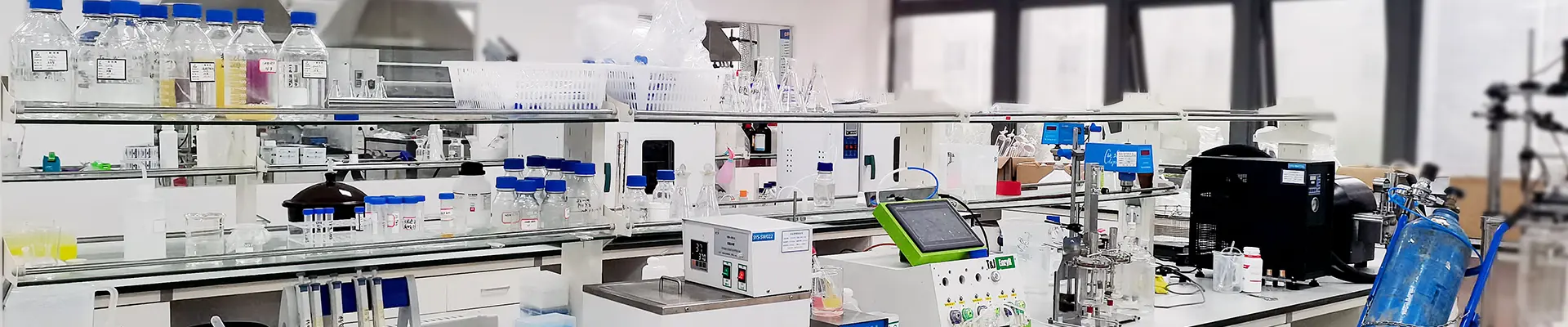
Advanced Fermentation Technology: State-of-the-art bioreactors ensuring reproducibility and high purity.
Regulatory Compliance: All products meet global certification standards for pharmaceutical and cosmetic use.
Sustainability Focus: Reduction of carbon footprint and waste during manufacturing.
Global Support: Technical guidance and logistics service available worldwide.
Q1: What makes Biosynthesis Ingredients different from traditional synthetic ingredients?
A1: Traditional synthetic ingredients are produced using chemical reactions that often require high energy and toxic reagents. In contrast, Biosynthesis Ingredients are made using biological systems like bacteria or yeast, resulting in environmentally friendly, safe, and consistent-quality compounds.
Q2: Can Biosynthesis Ingredients replace natural extracts completely?
A2: Yes, in many cases. Biosynthesis can replicate the same molecular structure found in nature, ensuring equivalent functionality and purity without harming ecosystems or relying on seasonal crops.
Q3: Are Biosynthesis Ingredients suitable for sensitive skin or clean beauty formulations?
A3: Absolutely. Since they are free from harsh chemicals and impurities, Biosynthesis Ingredients are ideal for dermatologically tested and hypoallergenic formulations in skincare and personal care products.
Q4: How does Synlotic Biotech ensure the quality of its Biosynthesis Ingredients?
A4: Every batch undergoes strict quality control procedures—HPLC, GC-MS, and microbiological testing—to verify purity, stability, and performance. Synlotic Biotech also maintains full traceability for each production batch, ensuring safety and compliance with international standards.
The global demand for biosynthetic materials is expected to rise rapidly in the next decade, driven by the growth of green chemistry and ethical sourcing. Innovations such as AI-assisted strain design, synthetic biology, and modular fermentation will continue to expand the capabilities of biosynthesis.
At Synlotic Biotech (Shanghai) Co., Ltd., we are committed to pioneering research and expanding our biosynthesis ingredient portfolio to meet the evolving needs of the pharmaceutical, cosmetic, and nutraceutical industries. Our vision is to create a sustainable biotechnology ecosystem where performance meets responsibility.
For more details, technical data sheets, or customized biosynthesis solutions, please contact us at Synlotic Biotech (Shanghai) Co., Ltd.